





Why Mobile Access Matters More Than Many Expect
A lot of players form their opinion in the first few minutes, and mobile access usually decides that opinion faster than anything else. The reason is simple. Phones leave no extra patience. Someone opening the platform on a lunch break wants a clean path from the home screen to the lobby, from the lobby to the cashier, and from the cashier back to the account area without hunting through layers of menus.
That first visit often tells the whole story. A player opens the homepage, taps the menu, checks the account section, looks for support, and notices right away whether the layout feels calm or crowded. Strong design does not need to shout. It just needs to make the next step obvious.
What Coolbet Casino Ontario App Means In Daily Use
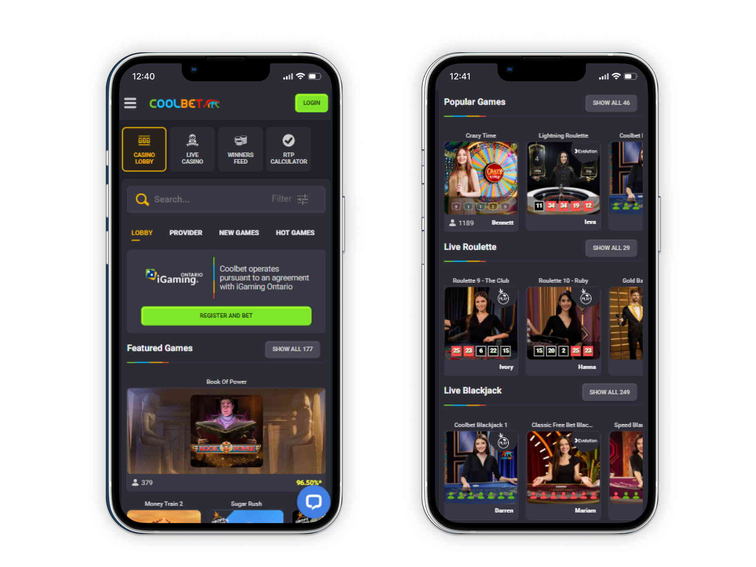
For readers in Canada, especially those thinking about Ontario-focused access, the mobile version matters because daily use is rarely dramatic. It is practical. People log in for ten minutes, check a balance, browse a few games, maybe revisit a pending offer, then leave. That kind of routine exposes weak design very quickly. A mobile setup that looks polished in a screenshot can still feel frustrating once real movement starts.
Say someone opens the platform while commuting home. The train is noisy, the screen is small, and attention is thin. In that moment, the platform has to do ordinary things well: load clearly, place the menu where it should be, keep buttons readable, and let the player understand where the account tools live. Small failures grow fast on a phone.
The better experience is rarely the flashiest one. It is the one that keeps friction low. A player should be able to move from the main page to the games area, from the games area to the cashier, and from the cashier back to profile tools without wondering whether the route changed halfway through.
How The First Mobile Visit Usually Feels
The first mobile visit is less about excitement and more about rhythm. A player opens the platform, checks whether the main sections are visible, sees how quickly the lobby responds, and decides whether the space feels under control. That decision happens fast. Someone trying the platform after dinner will not study every detail, though they will notice instantly whether labels make sense, whether help is buried, and whether the interface feels like one connected system rather than a pile of separate screens.
Where Account Tools Should Sit On A Small Screen
Account tools do their best work when they stay visible without dominating the page. A player should not need to search across three different menu layers just to review profile details, find the cashier, or adjust a limit. On mobile, these tools need to feel close at hand because short sessions depend on quick orientation.
Take a simple example. A player logs in for a short evening visit and wants to confirm balance details before entering a game. If the path to the account area is obvious, the whole session starts with clarity. If that same route is hidden behind vague icons or stacked menus, the session already feels heavier than it should.
Registration, Setup, And Account Flow
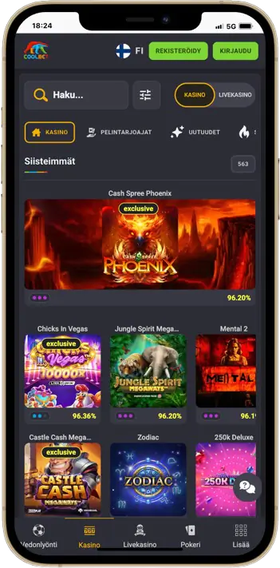
The sign-up process shapes expectations before any game is opened. A reader looking at this platform from Canada will usually want the same things at the start: a clean registration path, understandable form fields, a direct route to profile settings, and clear prompts around verification or account confirmation. None of that is glamorous, though it matters more than decorative features.
A smooth start has a certain order to it. A player creates the account, checks the profile area, reviews the payment section, and only then starts exploring the game lobby in a more relaxed way. That order reduces mistakes because it puts structure ahead of impulse. A rushed sign-up, by contrast, often leads to retracing steps later.
There is also a comfort factor here. Someone testing a new platform late in the evening is not looking for an obstacle course. They want to understand where personal details sit, where session controls are located, and how the help route works before money moves. When that information is easy to find, the platform feels more dependable without needing to make loud claims.
The mobile experience rises or falls on these basic routes. Not on slogans. Not on bright banners. On routes. Good structure turns setup into a short task. Weak structure turns it into repeated backtracking.
What The Sign-In Route Should Make Easier
A sign-in route is useful when it removes effort from everything that follows. The player should land in a place that makes sense, see recent account areas quickly, and return to play without feeling pushed through unnecessary steps. Someone opening the platform during a short break will notice this immediately. A direct route keeps the session light. A clumsy one makes the entire platform feel older than it really is.
Payments, Limits, And Everyday Money Handling
Money movement is where readers stop thinking in abstract terms and start judging the platform practically. It is one thing for a mobile layout to look tidy. It is another for the cashier to feel readable, predictable, and calm once a player needs to choose a payment method, review amounts, or check whether a pending step still needs attention.
A normal session makes this clear. The player finishes browsing, opens the cashier, checks available methods, compares basic conditions, then decides whether to continue. That sequence should feel steady. Confusion here damages trust faster than a weak banner or a bland game thumbnail ever could.
Area | What Players Usually Want To See | Why It Matters |
|---|---|---|
Cashier entry | One obvious path from the main menu or profile | Cuts down hesitation before deposits or withdrawals |
Payment methods | Clear method names and simple selection steps | Helps the player compare options without guessing |
Amount entry | Readable fields and visible limits | Reduces input mistakes on smaller screens |
Pending actions | Easy-to-spot status notes | Keeps the player aware of what still needs attention |
Account history | A short, clear record of recent balance activity | Makes reviews easier before any next move |
Help access | Support route near the money section | Useful when questions appear during active decisions |
One reason the cashier matters so much is timing. Players often open it when attention is already narrow. They have chosen a game, reviewed part of the account, and want one practical task to go smoothly. A readable money section protects that moment. A cluttered one breaks it.
Why A Clean Cashier Matters More On Mobile
On desktop, a player may tolerate a slightly busy layout for a while. On mobile, tolerance drops hard. Every oversized banner, every vague label, every hidden support link feels bigger because space is limited and patience is thinner. A cashier that stays clean on a small screen earns trust the fast way.
Someone checking the balance while standing in line is not interested in decoding the page. They want a clear next step, visible amounts, and a quick way back to the account area if they change their mind. Good structure respects that kind of real-life use. Bad structure pretends users always have endless time.
How Routine Checks Reduce Avoidable Friction
Small checks save players from larger annoyances later. Reviewing account details, recent balance activity, and the visible terms around current offers creates context before any next step. A player returning after a few days away often benefits from that pause because it makes the session deliberate instead of rushed. The habit is simple, though the payoff is bigger than it seems.
Safety, Control, And Player Comfort
A serious review cannot stop at navigation and payments. Player control matters just as much. A platform feels more mature when session reminders, limit tools, timeout routes, and help access are easy to locate before a player actually needs them. These functions are not decoration. They are part of the product.
There is a practical reason this matters. Most people do not search for control tools at the start of a relaxed session. They look once the session becomes less clear. That is exactly why these tools need to be easy to find in advance. A useful platform does not hide them until the moment stress appears.
Say someone has been browsing longer than planned. They open the account area, check recent activity, and realize the better move is to pause rather than continue. In that moment, visible control tools do more than fill a policy requirement. They restore direction. They turn a drifting session into a deliberate choice.
Support quality also fits here. Players do not want long theory when a practical question appears. They want a visible help route, readable answers, and a sense that the platform understands ordinary problems: account access, payment confusion, bonus conditions, and session controls. That kind of support builds confidence quietly.
The best experience is not one that tries to keep a player online at all costs. It is one that allows movement, review, pause, and exit without drama. That is what mature structure looks like in real use.
When Timeout And Limit Tools Become Useful
These tools become valuable before a situation feels dramatic. A player may simply notice that the session is stretching, that focus is dropping, or that repeated account checks are starting to replace actual enjoyment. Someone in that position benefits from a quick route to limits or a short pause option. Good platforms respect that early moment instead of assuming the player should keep going.
What Players Usually Notice After A Week Or Two
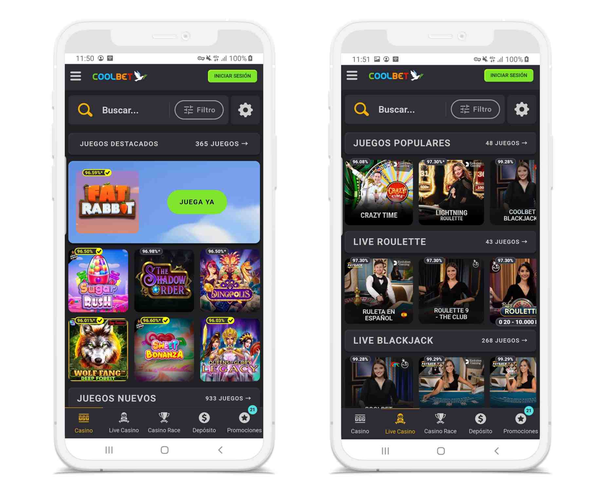
The first session tells a player whether the platform feels usable. A week or two tells them whether it feels sustainable. This is where patterns emerge. Does the mobile route stay clear? Does the account area still make sense after repeated visits? Does the balance history remain easy to scan? Does support stay visible, or was it only easy to find on day one?
A lot of readers in Canada will recognize this pattern. The first visit is curiosity. The later visits are routine. Routine is where design gets exposed, because repetition removes novelty and highlights structure. Someone using the platform over several short sessions will remember whether the layout helped, whether the account area felt stable, and whether money handling stayed easy to review.